4 Days at the End of the World: My Camiño dos Faros in One Breath
07.04.261278
Easter holidays for many mean quiet time and family dinners. For me, it was a time of salty wind, crying seagulls, and 100 kilometers of pristine Galicia.
If you’re looking for a way to "reset" your mind and feel truly alive — welcome to O Camiño dos Faros.
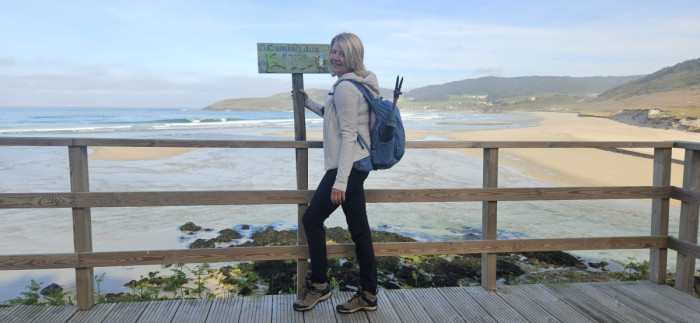
I decided to go all in and chose the final chord of this route: stages 5, 6, 7, and 8. Four days of trekking along A Costa da Morte (The Coast of Death) that led me to Europe’s most mystical spot — Cape Finisterre.
Day 1. Arou to Camariñas: Sand and Legends
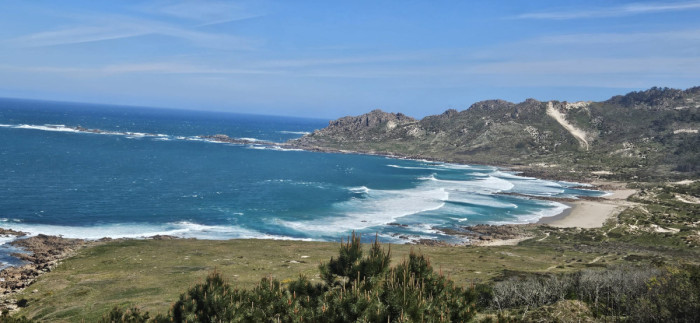
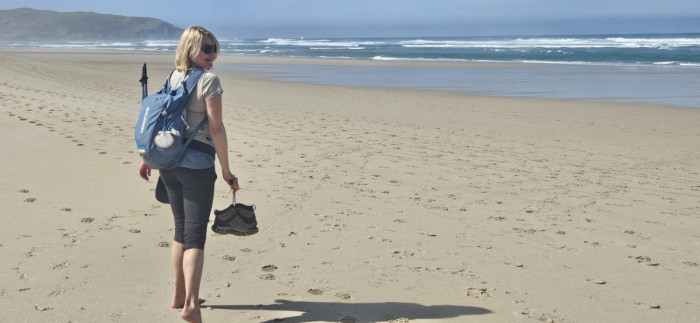
I started with the 5th stage. It was the perfect beginning. Imagine: walking along the ocean, with the landscape changing every minute. From tiny coves to the massive dunes of Monte Branco.
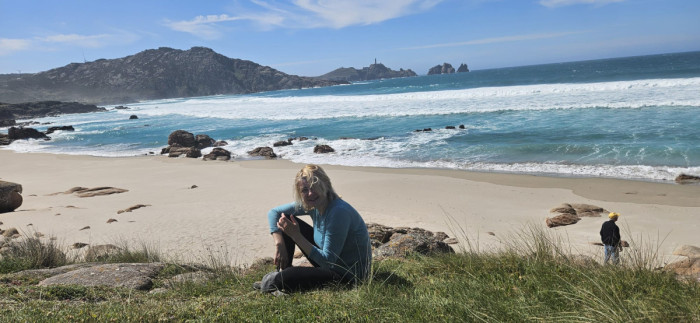
The highlight: The English Cemetery (Cementerio de los Ingleses). You can feel the raw power and harshness of this coast here.
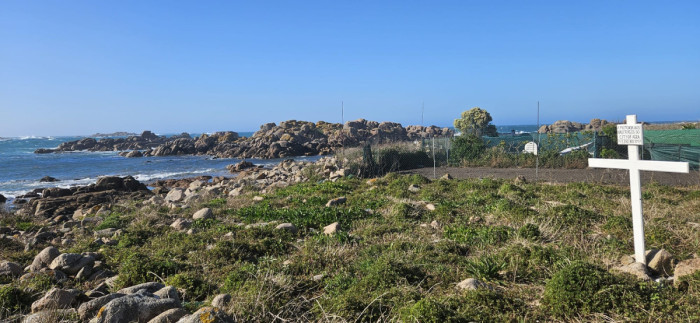
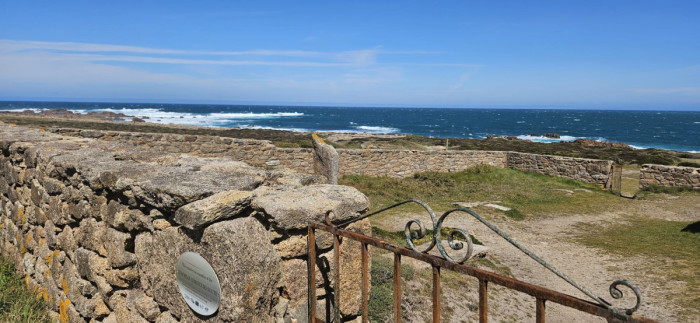
Day 2. Camariñas to Muxía: A Test of Endurance
The 6th stage is considered the longest (about 32 km), but it’s worth it. The path to Muxía tests your legs and your will.
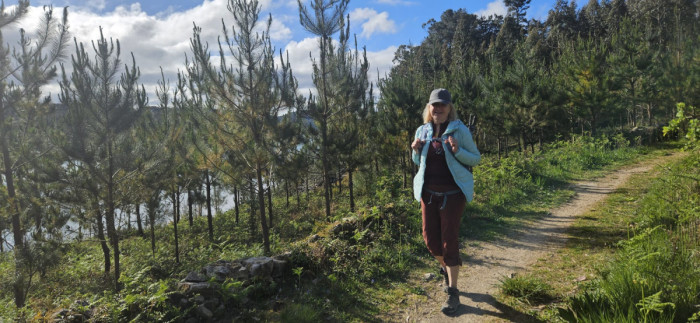
But when the Vilán Lighthouse (Cabo Vilán) appears ahead, you get a second wind. This is one of the most majestic lighthouses I have ever seen – it literally grows into the rocks.
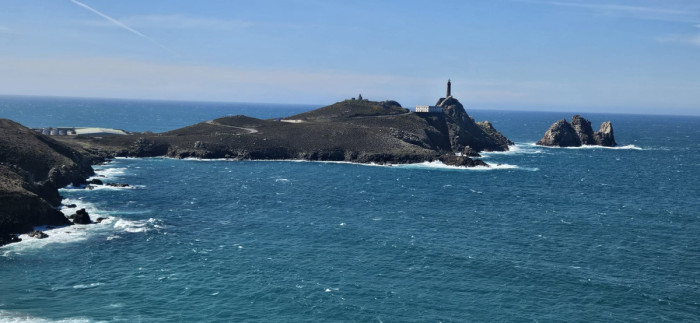
A moment of zen: Reaching the Virxe da Barca sanctuary in Muxia at sunset. There you understand why the ancients considered this place sacred.
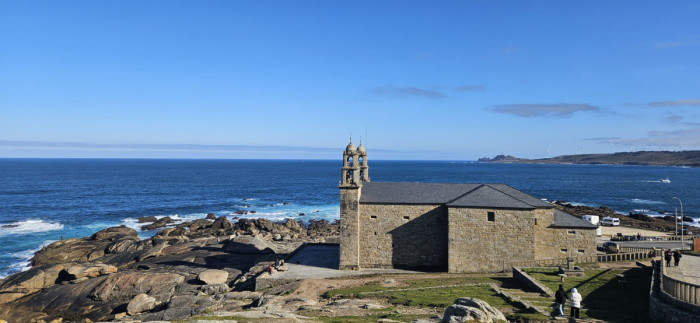
Day 3. Muxía to Lires: The Silence of the Shores
The 7th stage is a transition to more secluded beaches and forests. After the previous day’s push, this section feels more meditative.
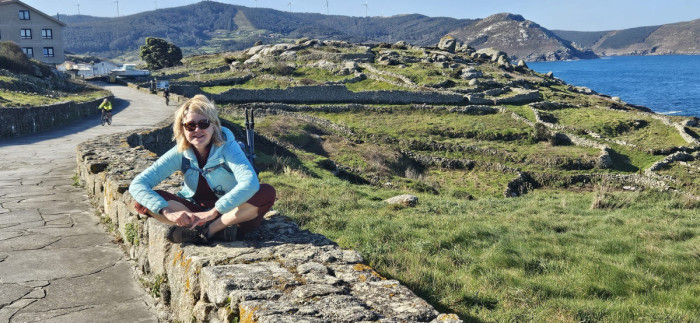
Minimum people, maximum ocean.
Wild beaches like Moreira and O Rostro are places where you just want to sit on the sand and stare at the horizon.
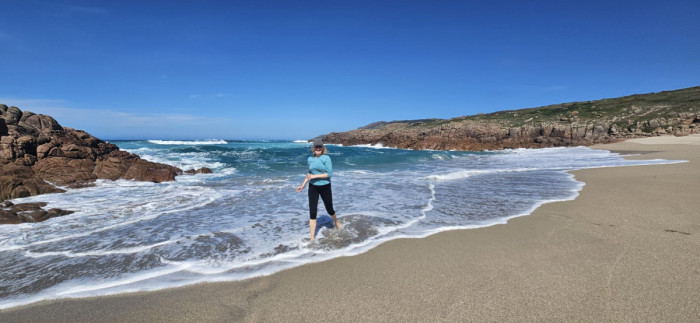
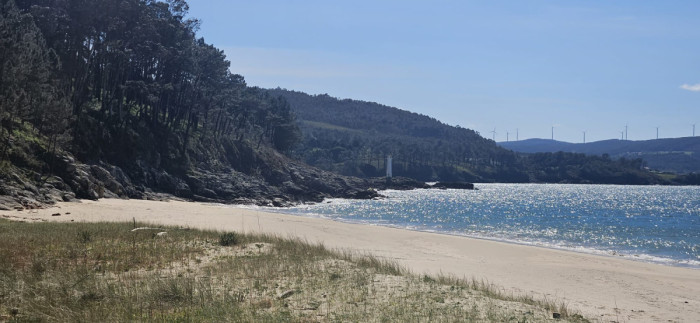
Day 4. Lires to Finisterre: The Finale at the Edge of the World
The final 8th stage. With every step, the air feels thicker with anticipation. When the silhouette of Cape Finisterre finally emerges, an incredible sense of triumph washes over you.
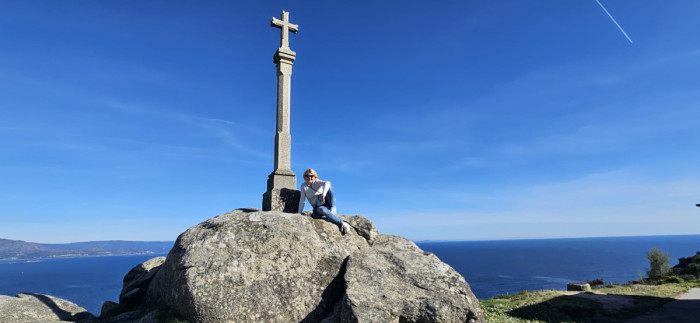
Standing by the lighthouse at the "End of the World" is an unparalleled rush.
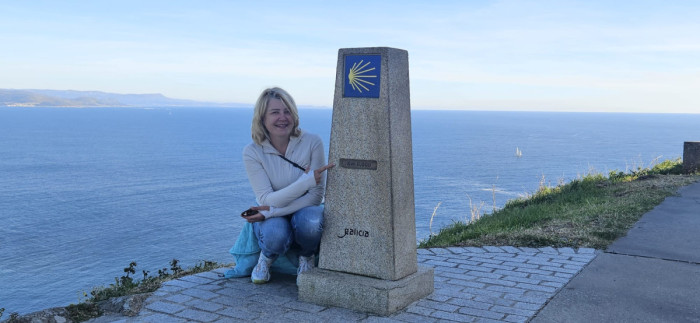
Something the Guidebooks Don’t Mention
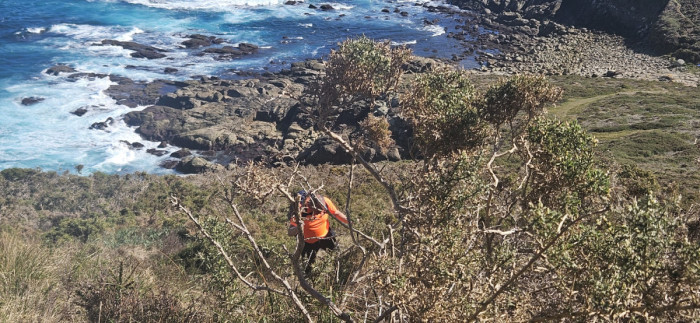
Before you pack your bag, I have an important disclaimer. O Camiño dos Faros is not a stroll down a paved boardwalk. For most of the way, you are literally walking on the edge of the world. The trail winds along cliffs and zigzags between rocks, and there are no "safety nets" like railings or fences. It’s just you, your feet, and a hundred-meter drop with the roaring Atlantic below.
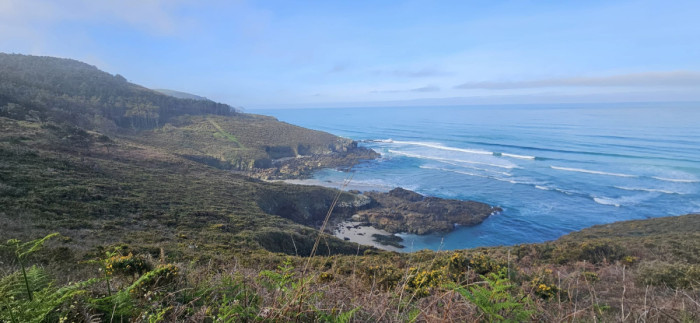
It’s crucial to realize:
Vertigo: If you have a serious fear of heights, this route will be a challenge. In some places, the paths are so narrow that the sheer drop can make your head spin.
Confidence in every step: Simply "knowing how to walk" isn't enough. You need balance and trekking poles for safety. A mistake here is costly, and no insurance covers recklessness.
Wild Nature: Everything is raw here: if the wind blows, it knocks you off your feet; if there are rocks, they are sharp.
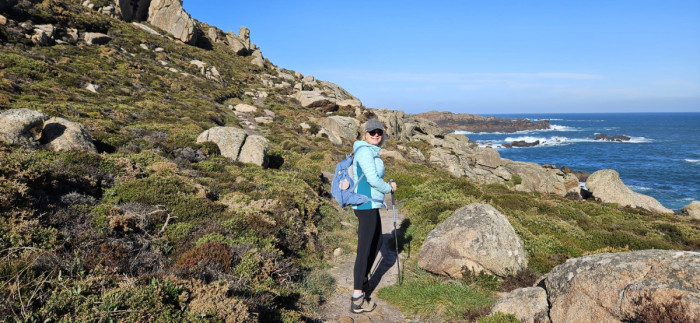
This route is for those who are willing to trust their bodies and aren't afraid to face the elements alone. But it's precisely this adrenaline rush, this proximity to the edge, that makes the victory at the finish so sweet. When you overcome your fear of the abyss of the cliffs, the view of Cape Finisterre seems a hundred times more beautiful.
Why is it worth doing?
You might say, "I saw the photos on the organizers' website; it's all clear." Believe me, a camera can't capture the smell of the ocean, the taste of salt on your lips, or that feeling of freedom when all you have is a backpack on your back and the trail beneath your feet. My photos look very much like official shots, but for me, each one represents my personal challenge and my victory.
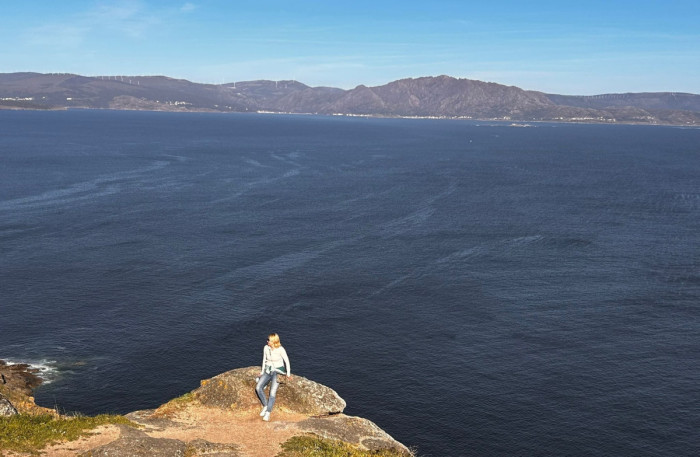
My advice: If you decide to do it again, bring comfortable shoes and be prepared to fall completely and irrevocably in love with Galicia.